IDEAS / POST
The Physical World Strikes Back
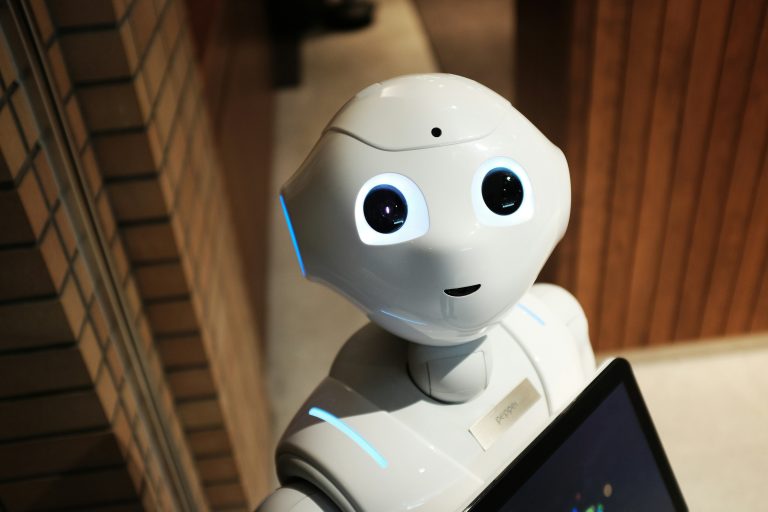
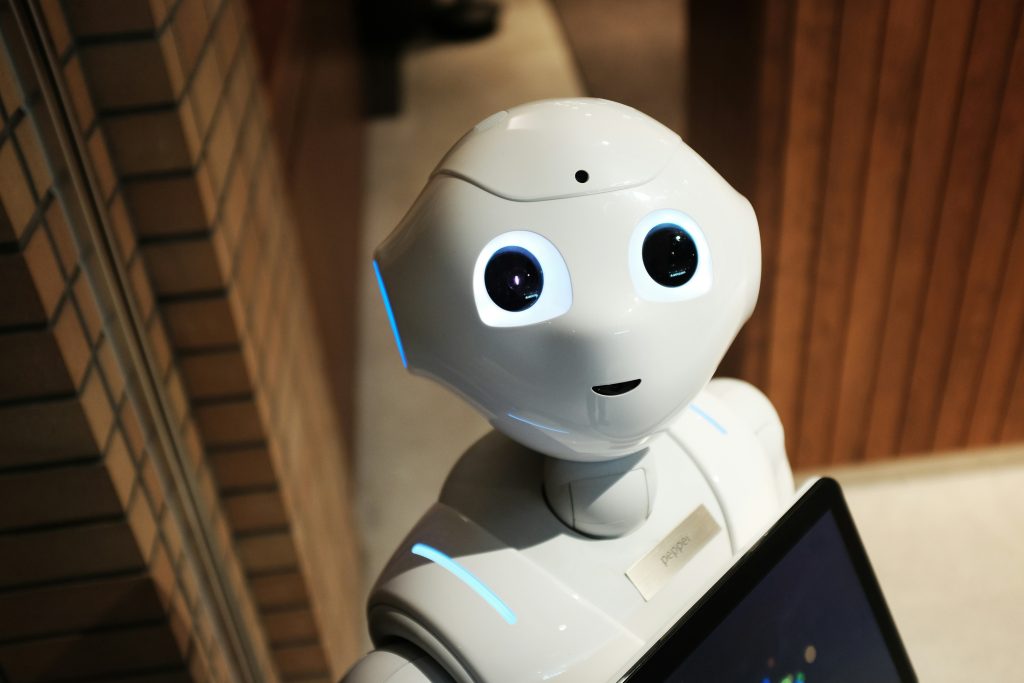
For years, we’ve chased the holy grail in the cloud. Now, it would appear the pendulum is swinging back down to earth.
That was the thesis of the Websummit panel featuring founder / investors Lu Zhang and Alex Niehenke . Software was taking the back seat to things you can touch: robots, autonomous systems, manufacturing.
In a twist I hadn’t considered (that’s why you go to conference panels), humanoid robots are being designed to work inside environments already built for humans, reducing the cost of adoption from “rebuild the factory” to “hire the robot.” Elite technical talent that spent a decade optimizing algorithms is increasingly drawn to problems you can drop on your foot.
In my humble opinion, hardware is cool again.
Brilliant Build, Borrowed Language
Not everything about hardware is cool, though.
Hardware founders are extraordinary builders. Ask one how their product works, and they’ll walk you through it with the precision of a Swiss watchmaker.
Ask them what their company means, and you’ll be hit by a firehose of jargon.
Sound familiar? Software founders spent decades tuning their language into technical wallpaper. Hardware founders inherited that proclivity for precision over persuasion.
I’m not surprised. But back to my original point, robots are cool. Automatons have held our imagination for hundreds of years. Not only does technical language overkill make our eyes glaze over. It leaves money on the table.
Wanting It, Not Just Needing It
Niehenke and Zhang were emphatic on one point: AI accelerates, but it doesn’t invent. Humans still define direction. Intuition still matters. Breakthroughs still come from asking the right questions.
What they were really describing, without saying it directly, is the re-injection of human meaning into technology.
Think about Steve Jobs and Apple. The Mac was a computer, sure. But what made it magnificent was the way Jobs positioned it as a tool that would unleash everyone’s creativity. The technology wasn’t in the spotlight. The magic was.
I’ve spent a lifetime looking at products the same way. Not as hardware or software, but from the perspective of the problem being solved. What changes in someone’s life, their business, their sense of possibility, when this actually works?
The Power of Positioning
Ries and Trout saw this coming in 1981. Their insight from Positioning: The Battle for Your Mind still holds: positioning isn’t about what you build. It’s about the space in the customer’s brain you claim As Ries and Trout put it, the basic approach isn’t to create something new and different in the world, but to anchor a new thought in the prospect’s mind. A thought that can’t be displaced by competitors.
For hardware founders, that means something specific. Clarity is important, to be certain. But making your innovation feel inevitable – making it something that fills an emotional void – is critical to being noticed, chosen, and preferred.
Crossing The Chasm
Geoffrey Moore named the problem that comes from language misalignment decades ago. His warning still goes largely unheeded in the tech community: most technical founders can convert pragmatic technical buyers like themselves, but are at a loss to persuade those who don’t share their education, qualifications or worldview. CEOs, CFOs, and other writers of large cheques, that is.
Which makes getting the story right critical.
The physical world is back. The chasm is real. For this new wave of hardware founders, there is a gaping story problem.
The winners won’t be the ones with the most impressive spec sheets. They’ll be the ones who made the right people feel the right way.
If your hardware story isn’t landing the way your technology deserves — let’s talk.
Frequently Asked Questions
What is the chasm for hardware companies? The gap between early adopters who buy on technical merit and pragmatist buyers — CEOs, CFOs, for example — who buy based on business outcomes. Geoffrey Moore named it decades ago. Hardware founders are still falling into it.
Why don’t specs and features win hardware deals? Because pragmatist buyers don’t evaluate technology — they evaluate outcomes and risk. A compelling, emotionally resonant story reduces perceived risk faster than any data sheet.
What does positioning mean for a hardware company? Owning a clear, emotionally resonant place in the buyer’s mind before they start evaluating options — so the decision feels inevitable, not deliberated.
How is hardware different from SaaS when it comes to storytelling? The stakes are higher, the sales cycles longer, and the buyers more risk-averse — which makes getting the story right upstream far more critical than in software.
Why is borrowed software language a problem for hardware founders? SaaS vocabulary was designed to describe intangible digital products. Hardware solves physical, visible, feelable problems, and deserves language that makes buyers feel that physical reality, not abstract it away.